2027 Rate Change

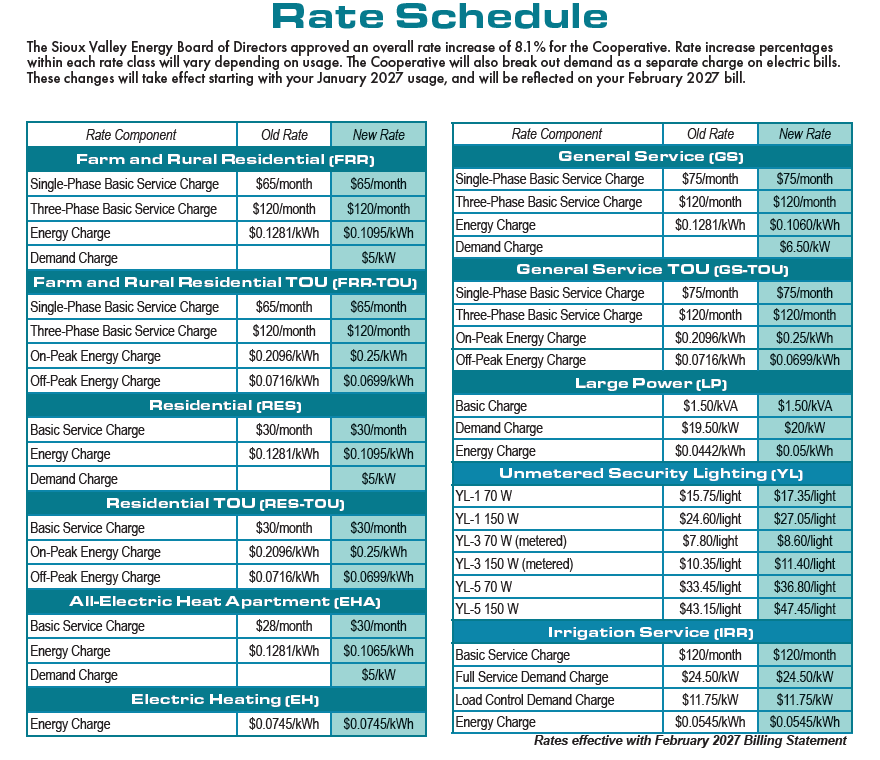
The Sioux Valley Energy Board of Directors approved an overall rate increase of 8.1% for the Cooperative.

The Cooperative will also break out demand as a separate charge on electric bills for residential, rural residential and general service members. Rates changes for Time of Use and Large Power Members have also been approved.

These changes will take effect starting with your January 2027 usage, and will be reflected on your February 2027 bill.

Click on the various rate options to learn about the specific changes.

Residential, Rural Residential and General Service

1. Electric Rate Increase

Why are my electric rates increasing?

  • Continued cost increases for wholesale power and transmission
    Sioux Valley Energy’s power suppliers are investing in additional electric generation and transmission infrastructure to meet the growing demand for electricity from residential, farm, and small business members. These investments are increasing wholesale power and transmission costs which account for approximately 62% of your electric bill.
     
  • Ongoing investment in the Cooperative’s electric distribution system
    The Cooperative is replacing aging infrastructure and upgrading its system to meet growing demand and maintain reliable service. This includes building and upgrading approximately 125 miles of electric line each year. These investments help support our membership and maintain top-quartile reliability.
     
  • Rising costs for operating expenses
    The cost of operating and maintaining the electric system continues to increase. Materials, fleet vehicles, fuel, equipment, and financing, etc. are among the many expenses that have risen significantly.
Image
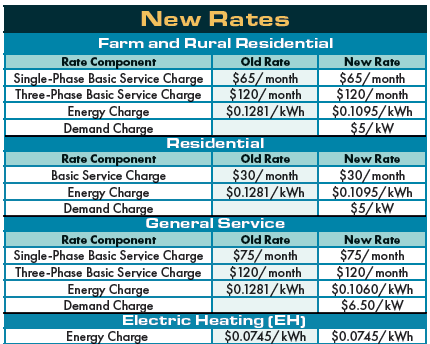
2027 Rates

2. Breaking Out Demand

What is changing?  

Beginning in January 2027, residential, rural residential, and general service bills will move from two billing components to three, with demand becoming a separate charge.

Three billing components that will be charged for starting in 2027:

1. Basic Service – helps cover the fixed costs of providing electric service to your home, including meters, transformers, power lines, billing, and other equipment needed to safely deliver electricity.

2. Energy (kWh) – is the total amount of electricity you use over time. This is what powers your lights, appliances, electronics, and other electrical devices throughout the month.

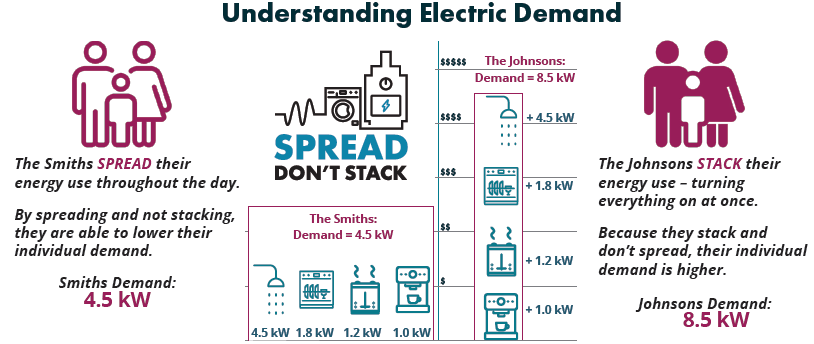
3. Demand (kW) – measures the amount of power required in an instant to satisfy the needs of all your connected appliances, lighting, air conditioning, etc.

Why does demand matter?

Demand has always been part of the cost of providing electricity to you and has been built into existing electric rates. Separating demand into its own charge helps rates more accurately reflect the cost of serving members and allocates those costs to the members who drive them.

The electric system must be designed and built to handle periods of peak electricity use—not just the total amount of energy consumed over a month. By accounting for demand separately, the Cooperative can better align its rates with the true cost of providing reliable electricity.

Image
Spread Don't Stack
Image
Understanding Electric Demand

Time of Use (TOU) Rate Adjustment

Why are my electric rates increasing?

• Continued cost increases for wholesale power and transmission
Sioux Valley Energy’s power suppliers are investing in additional electric generation and transmission infrastructure to meet the growing demand for electricity from residential, farm, and small business members. These investments are increasing wholesale power and transmission costs which account for approximately 62% of your electric bill.

• Ongoing investment in the Cooperative’s electric distribution system
The Cooperative is replacing aging infrastructure and upgrading its system to meet growing demand and maintain reliable service. This includes building and upgrading approximately 125 miles of electric line each year. These investments help support our membership and maintain top-quartile reliability.

• Rising costs for operating expenses
The cost of operating and maintaining the electric system continues to increase. Materials, fleet vehicles, fuel, equipment, and financing, etc. are among the many expenses that have risen significantly.

Image
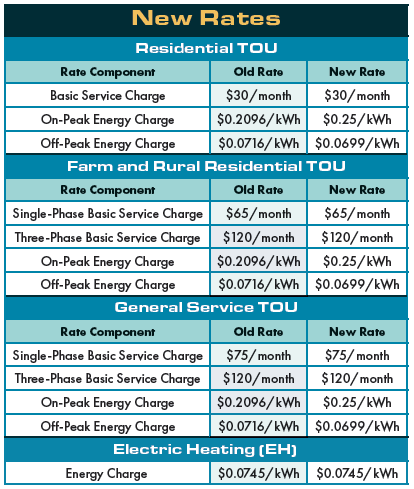
TOU 2027 Rates
Image
Time of Use hours

Large Power Rate Adjustment

Why are my electric rates increasing?

  • Continued cost increases for wholesale power and transmission
    Sioux Valley Energy’s power suppliers are investing in additional electric generation and transmission infrastructure to meet the growing demand for electricity from residential, farm, and small business members. These investments are increasing wholesale power and transmission costs which account for approximately 62% of your electric bill.
     
  • Ongoing investment in the Cooperative’s electric distribution system
    The Cooperative is replacing aging infrastructure and upgrading its system to meet growing demand and maintain reliable service. This includes building and upgrading approximately 125 miles of electric line each year. These investments help support our membership and maintain top-quartile reliability.
  • Rising costs for operating expenses
    The cost of operating and maintaining the electric system continues to increase. Materials, fleet vehicles, fuel, equipment, and financing, etc. are among the many expenses that have risen significantly.
Image
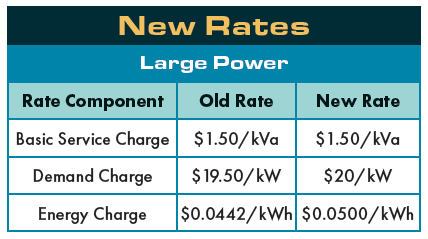
2027 Large Power Rates

Rate Calculator

Want to know what your electric bill will be with the new rates? Click on the button below to calculate the following rates: Residential, Farm & Rural Residential, and Electric Heat.

Check out our Rate Calculator
Image
2027 Rate Schedule