Basic Service Charge:
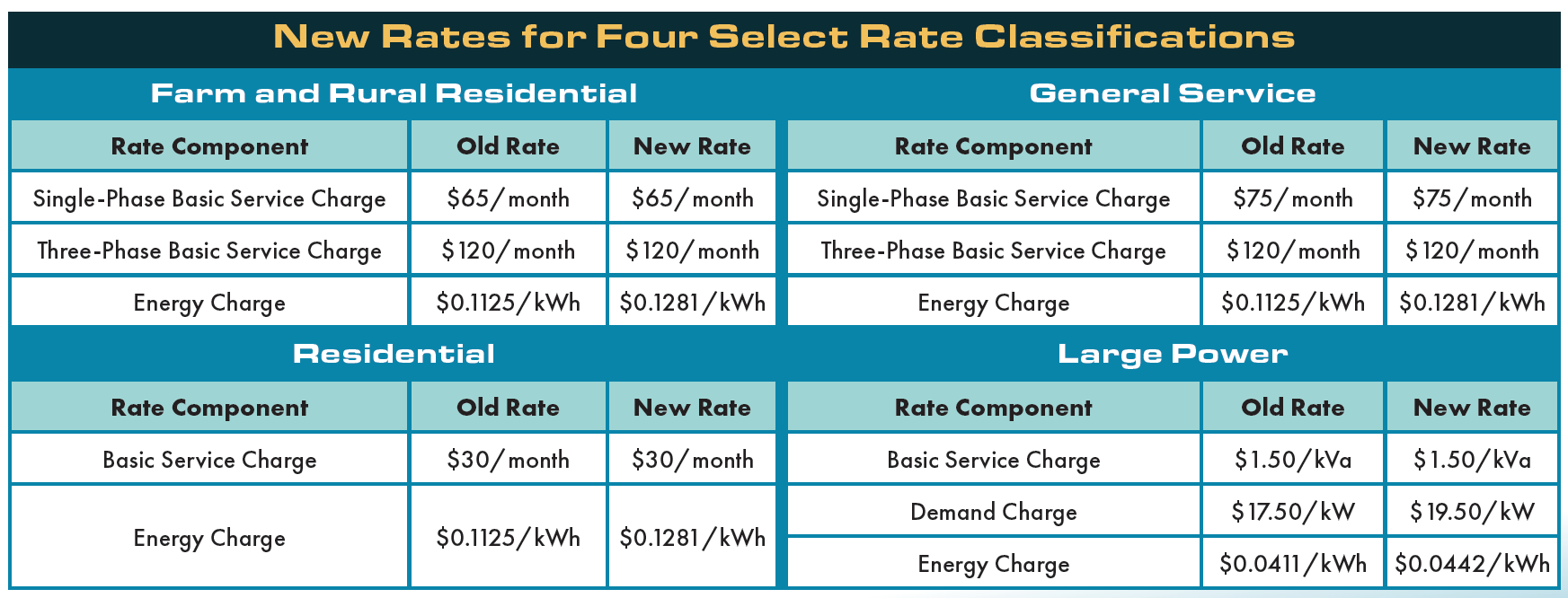
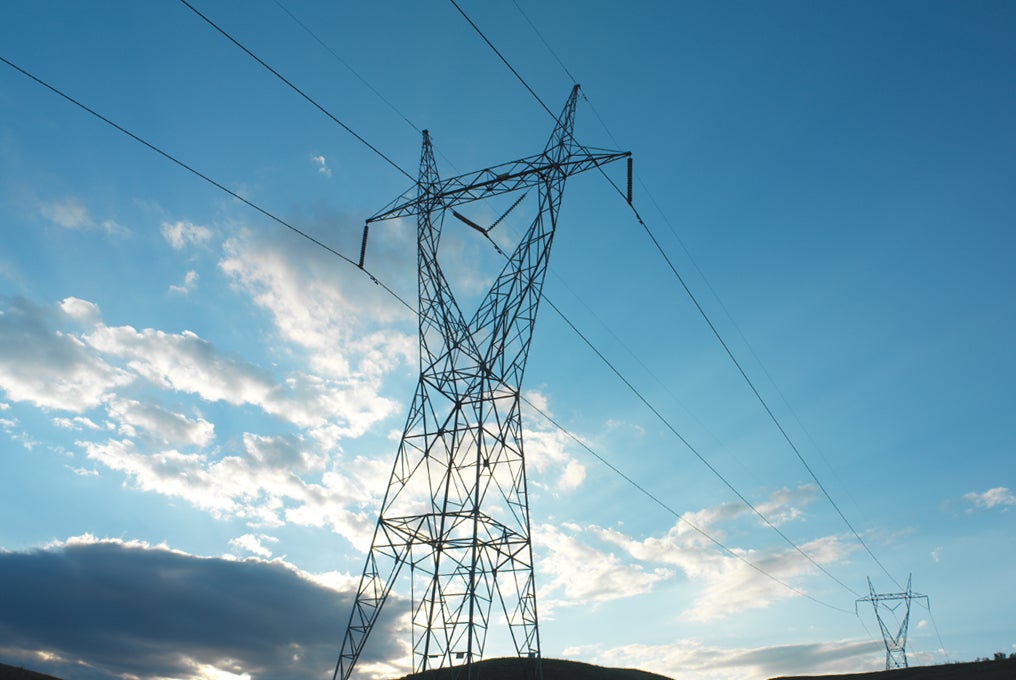
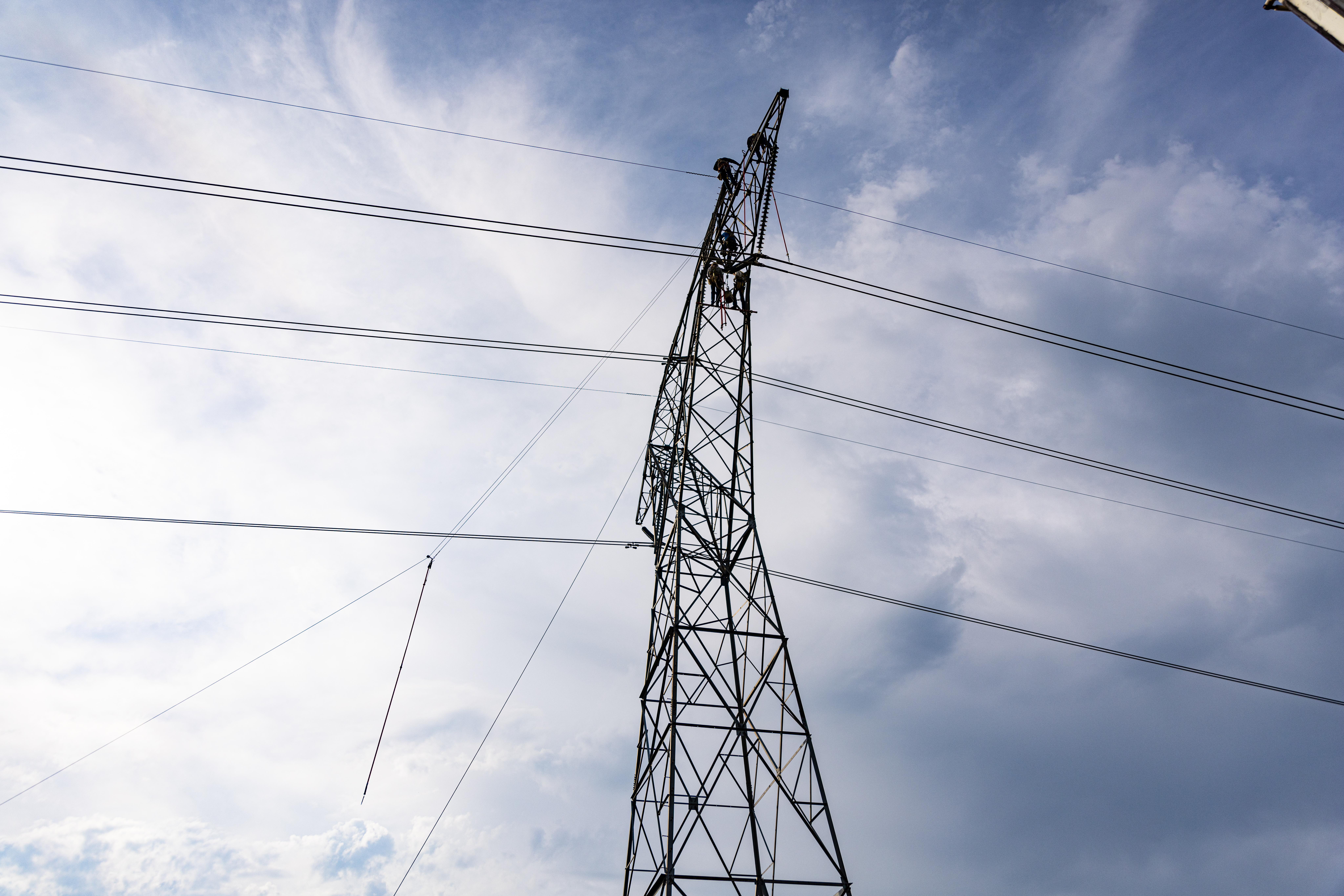
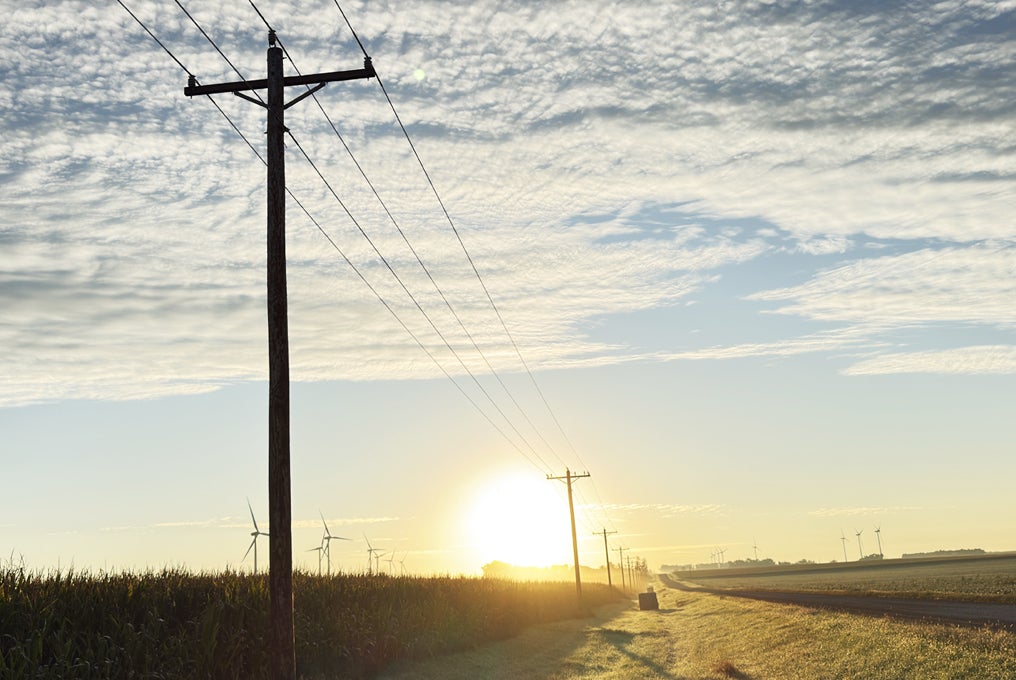
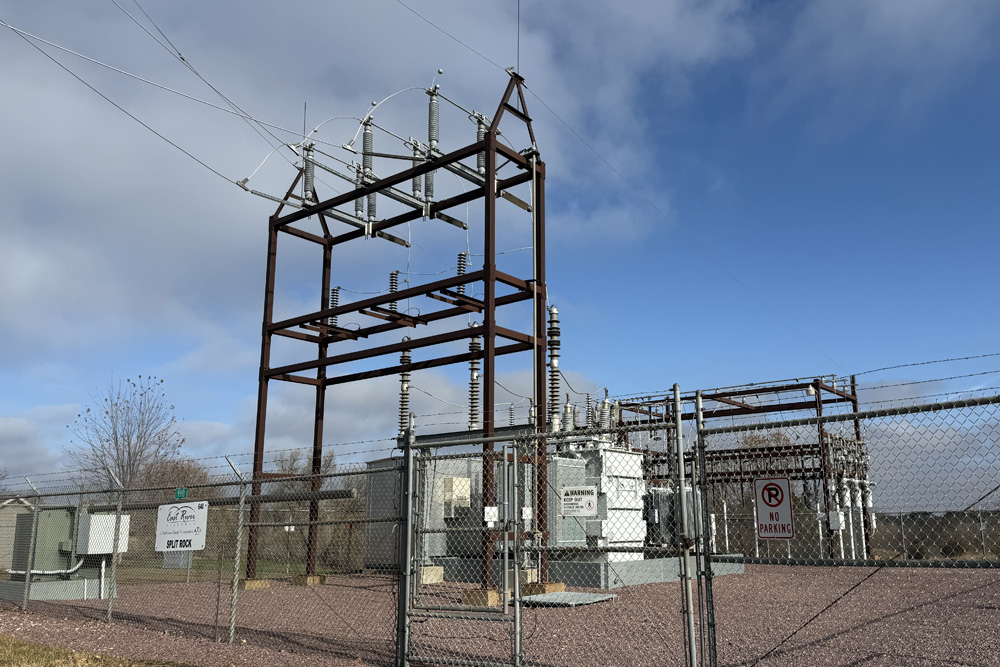
This fee helps pay for the electrical infrastructure (poles, wires, transformers, substations, etc.) that is required to get power to your home or business. It also helps pay for the maintenance of that equipment. There is a fixed cost for the infrastructure regardless of how much electricity you use (even if you use 0 kWh there is a fixed cost to have the service at your location). The average investment per account is approximately $12,500 plus ongoing maintenance costs.
Energy Charge:
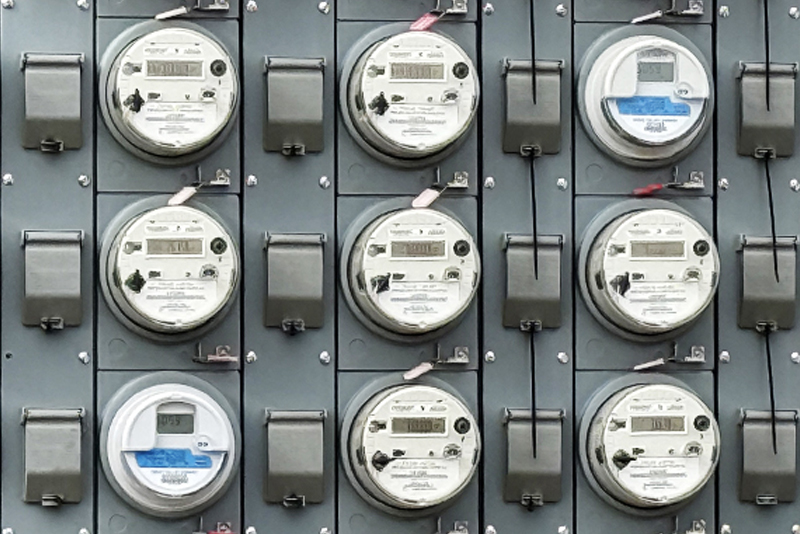
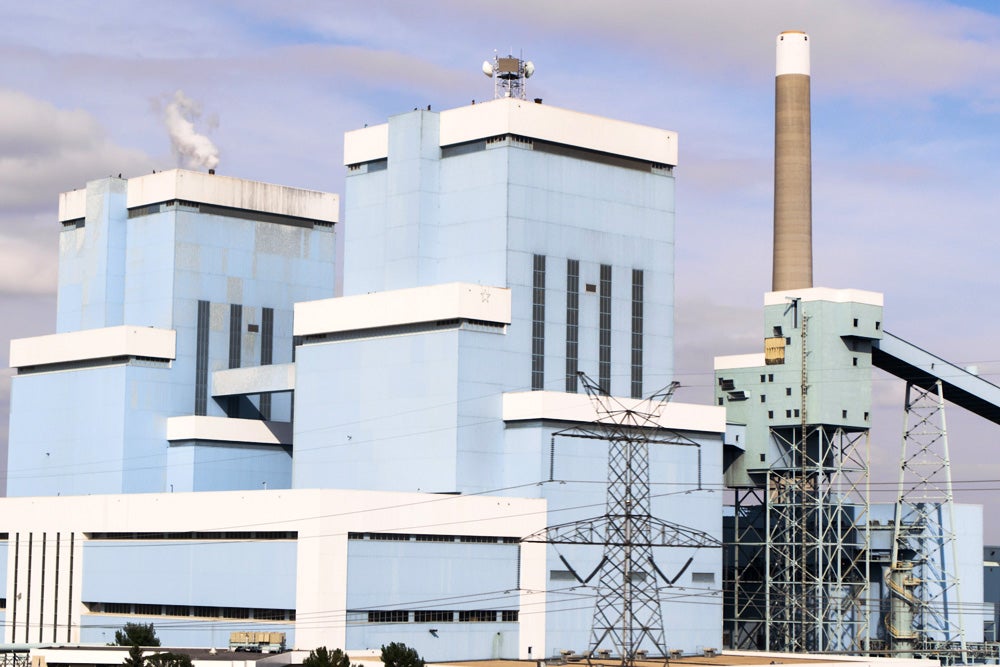
This fee pays for the actual electricity (including power supply) that members use to power their homes and businesses. The energy charge is measured is kilo-watt hours (kWh).
Demand Charge:
Currently only large power users have a demand charge on their power bill. This fee pays for the rate at which you are using electricity during a 15- or 30-minute period of highest power use throughout the month. Demand is measured in kilo-watts (kW). In other words, it’s the amount of power required in an instant to satisfy the needs of all your connected equipment, lighting, etc. and anything else in your business requiring electricity at the exact same time. Residential and Rural Residential members have demand listed on their electric bills to help them monitor their individual demand impact on the electric system.
In other words, it’s the amount of power required in an instant to satisfy the needs of all your connected equipment, lighting, etc. and anything else in your business requiring electricity at the exact same time. Residential and Rural Residential members have demand listed on their electric bills to help them monitor their individual demand impact on the electric system. Demand may be charged in the future for Residential, Rural Residential, and General Service members to more accurately reflect power supply costs.
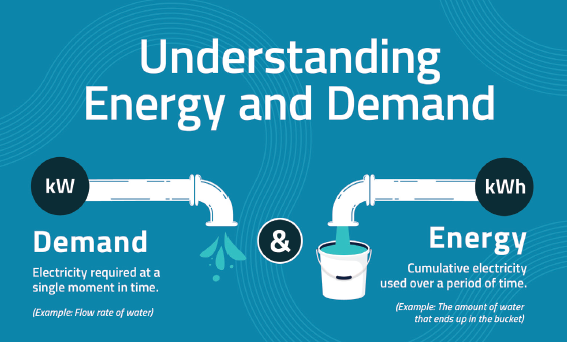
An easy way to think of energy and demand is through a water bucket analogy (see below). In this example, demand represents the speed of the water flow at any single moment in time and energy corresponds to the total amount of water that ends up in the bucket.