
How to Control Your Demand

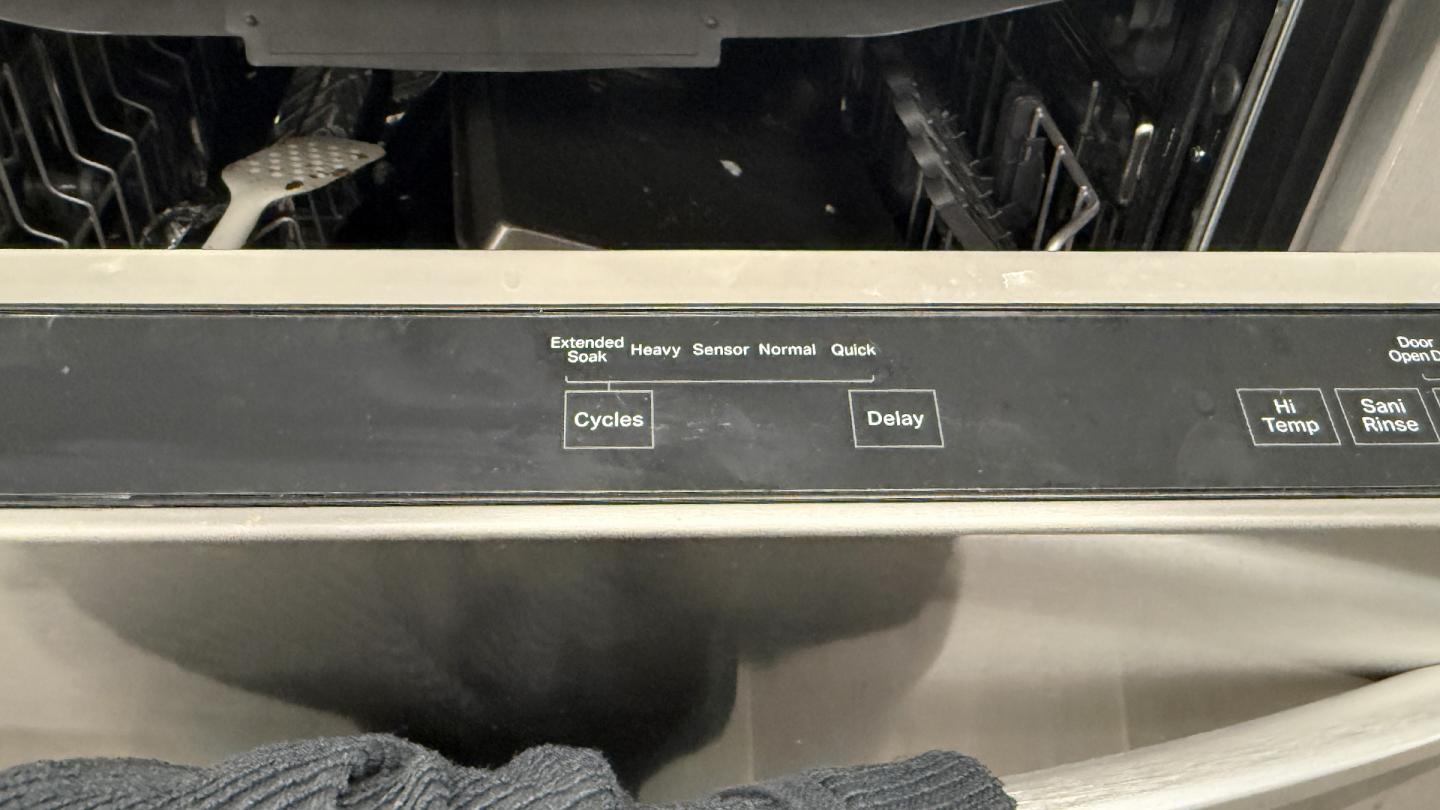
Dishwasher with delay

Spread. Don’t Stack. The best way to lower your electrical demand is simple: Don’t run everything at once. It’s the number one thing a Sioux Valley Energy member can do to reduce their individual electrical demand on the grid. Laundry has to be done, showers need to be taken, and cooking is required – but they don’t all have to happen at the same time. Members who spread their electrical use throughout the day instead of running appliances and electric devices all at once will reduce their individual demand on the system.

How does high demand impact the electric system? 

As demand increases and stresses the system, Sioux Valley Energy and its transmission and power suppliers have to upgrade and build new electrical infrastructure to support the maximum amount of electricity that could possibly be used at one time. That investment costs money…and in turn increases rates for Co-op members. 

Start Monitoring Your Demand Today

Each electrical device and appliance in your home puts a certain amount of demand on the system. While there currently is no rate connected to demand on residential and general service accounts, the line item is listed on electric bills. An even better way to monitor is to sign up for the Cooperative’s online energy management system, SmartHub, at siouxvalleyenergy.smarthub.coop

Sioux Valley Energy won’t start charging residential and general service members for demand until January of 2027, so now is a great time to start monitoring it. Consider making adjustments in your electric use and see how that impacts your demand over the next several months prior to the billing change.

Tips to Reduce Your Demand

1. Spread. Don’t Stack. Demand increases when electric appliances and devices run at the same time. Try to space out activities that use a lot of electricity. Check out Sioux Valley Energy’s demand calculator to determine how much demand is placed on the system by various appliances: siouxvalleyenergy.com/demand-calculator. 
Simple Changes: 
• Run the dryer after dinner. 
• Charge your EV or other chargeable devices overnight. 
• Avoid running the dishwasher, dryer, and oven at the same time. 

2. Be Smart About Hot Water Water heaters often reheat after showers, laundry, or dishwashing. If other large appliances are running at the same time, demand can increase quickly. On-demand water heaters spike demand much more than tank water heaters. 
Simple Changes: 
• Wait to start a load of laundry after showers are finished. 
• Run the dishwasher later in the evening or overnight. 
• Spread out hot-water activities when possible.

3. Use Delay Start Features Many of today’s appliances can be scheduled to run when you are using less electricity. Push that delay button and help reduce your demand. 
Simple Changes: 
• Load the dishwasher after dinner and set it to run overnight. 
• Schedule EV and battery-based electric device charging for late-night hours. 
• Use delayed laundry cycles when convenient

4. Take The Heat Outside During the summer months heat can build up in your home, making your HVAC system work harder and longer. 
Simple Changes: 
• Consider using an outdoor grill to prepare your evening meals during the summer – that oven and cooktop can heat up your home in a hurry. 
• The sunshine feels great but can result in solar heat gain through your windows during the summer – consider window shades or covering for a natural cooling effect. 

Looking for a different option? There is an optional rate available for members called the Time of Use (TOU) rate, which in based on the time of day you use electricity with a lower rate during off-peak hours and a higher rate during on-peak hours. For more information, log on to https://www.siouxvalleyenergy.com/news/ time-use-rate